
Tech Insights

Partner Exclusive: How to build an effective client retention strategy
Partner Exclusive: How to build an effective client retention strategy
While many new customers may visit a department store during peak season, they might not become loyal clients right away. Many retailers wonder how to apply concrete methods to build meaningful relationships with customers and encourage them to return after peak season. This article offers a few tips to help convert new shoppers into long-term customers through scalable and tested engagement and loyalty techniques, ensuring sustained growth even during slower periods.
Building a seamless omnichannel strategy
During the low season, tracking sales and interactions without any blind spots becomes crucial in determining the effectiveness of specific operations. It also allows retailers to react quickly with targeted campaigns when certain strategies are not successful.
Many department stores face common challenges in tracking sales and communications across different departments and branches. Managing various divisions that cannot access each other's data can become a major obstacle to delivering a great customer experience and achieving growth.
This is why more and more department stores are implementing omnichannel solutions that:
- Track customer behaviour
- Measure the effectiveness of store operations
- Monitor inventory
- Facilitate data transmission between stores and branches
Implementing an omnichannel platform is a crucial first step in building an effective engagement strategy. It streamlines operations, enables data-sharing between branches, aligns different teams to work seamlessly toward results-drivengoals, and, most importantly, ensures consistent client services across all locations.
Anticipating customers' needs and wants
Once an omnichannel strategy is in place, one of the most valuable data points to record is individual customer information. This allows retailers to personalise their offerings and anticipate customer needs.
Personalisation is one of the most significant factors in enhancing client engagement. However, the challenge for most retailers is that personalising their offerings requires understanding individual customer preferences with a scalable method. They must also ensure this information is shared across branches and stores.
One effective solution is creating detailed customer profiles. By storing key client information—such as past interactions with sales representatives, purchase history, brand preferences, and average spending—retailers can better tailor their services to meet individual needs.
On a practical level, sales associates should have easy access to this information to deliver highly personalised recommendations during one-on-one interactions. Not only does this enhance the customer experience, but it also boosts employee confidence by removing the guesswork from the sales process.
Customer engagement is proportional to sales associates' engagement
Sales associates are the face of their company. Giving them more opportunities to engage with clients and rewarding them for doing so successfully is crucial for any retailer's growth. According to the Bureau of Labor Statistics, U.S. retail organisations experience an average employee turnover rate of 60%. High turnover is problematic for retailers, as
studies show that customers are 77% more likely to purchase a product when they trust the person recommending it. In this sense, customer engagement is directly linked to associate engagement and trust.
Empowering sales associates to take ownership of their roles as local experts and even micro-influencers has proven effective, especially when combined with an omnichannel strategy and a highly targeted, personalized approach. More companies are investing in solutions that provide sales associates with opportunities to engage through recommendation pages, social media, appointment scheduling, and direct communication with shoppers outside the store. By increasing touchpoints with customers, retailers can deliver high-quality service while also motivating sales associates to build lasting one-on-one relationships. Tracking successful interactions and rewarding individuals for their engagement has also been shown to boost associate morale and performance.
Building a scalable communication strategy
Nourishing 1-1 relationships with customers is essential to build loyalty, but how can department stores also grow customer engagement through a repeatable and scalable methodology?
It has been demonstrated that personalized interactions and recurring positive engagements drive customer loyalty.
Many retailers have found success by implementing the 3-3-3 or 2-2-2 strategy.
What is the 2-2-2 strategy?
The 2-2-2 strategy in retail communication is a structured approach designed to maintain consistent, personalised follow-ups with customers after a sale or interaction. It nurtures customer relationships and enhances loyalty, proving highly successful within various client bases.
Example:
- 2 days after the sale: Send a thank-you message and offer assistance if needed.
- 2 weeks after the sale: Follow up to ensure the product meets expectations and suggest complementary products based on the initial purchase or recent browsing history.
- 2 months after the sale: Reconnect with the customer to share updates on new arrivals, promotions, or loyalty programs.
The shift from manual to automated processes offers several benefits. Associates no longer need to spend valuable time identifying which customers to contact or tracking down past purchase details. This efficiency allows them to focus on high-value interactions, increasing productivity and optimising clienteling efforts.
Delivering the in-store experience online with AI
E-commerce has become a crucial aspect of the customer buying experience and changed shoppers' habits by providing round-the-clock shopping accessibility. With this new reality, providing personalised responses at any time of the day is becoming an expectation for customers.
While AI cannot replace human recommendations on an emotional level, it can bridge the gap by offering off-hours support and relevant product suggestions when a sales associate is unavailable. AI technology is increasingly tailored to specific retail use cases, making it an essential tool for retailers to consider.
In today's highly competitive market, incorporating AI has become a crucial part in implementing an effective customer engagement journey. A well-designed conversational AI becomes stronger and smarter over time, because it can be trained from your own retail intelligence, allowing it to deliver autonomous, human-like interactions, enhancing the shopping experience. Leveraging years of customer and associate interactions, AI-powered solutions can assist shoppers with visual browsing and personalised product recommendations. Advanced systems also integrate seamlessly with inventory, ensuring only available products are suggested. Additionally, retail-specific AI models can automate product tagging, identifying key features of new items to provide accurate and relevant recommendations during customer interactions.
Conclusion
The key to a successful client retention strategy lies in a retailer's ability to accurately understand their shoppers' needs and deliver personalised outreach. By incorporating automation, empowering sales associates, leveraging AI, and implementing a scalable engagement strategy, retailers can build a strong foundation for long-term success.
*Salesfloor stands as an award-winning clienteling and customer engagement platform, empowering retailers to foster meaningful conversations, drive recommendations, and boost sales. By offering innovative tools such as clienteling, virtual shopping, and conversational AI, Salesfloor enables seamless customer engagement across all channels.
Trusted by over 50,000 associates from leading retailers in apparel, beauty, jewelry, and beyond, Salesfloor is redefining the role of store associates in the modern retail landscape. Renowned brands such as Saks Fifth Avenue, Bloomingdale's, and Chico's rely on Salesfloor to achieve measurable results, including higher online conversion rates, larger basket sizes, and reduced return rates.*
Learn more about Salesfloor here


Protecting Customer Trust: The Role of Cybersecurity in Retail
Protecting Customer Trust: The Role of Cybersecurity in Retail
In the competitive world of retail, fostering strong customer trust is no longer a nicety, it's a necessity. Consumers entrust department stores with sensitive personal and financial information, making a secure shopping experience an absolute priority. However, the digital age has introduced a multitude of sophisticated cyber threats. From large-scale data breaches to targeted phishing scams, retailers face a constant uphill battle to safeguard customer information. This is where robust cybersecurity becomes the linchpin. By implementing strong data security measures, department stores can build customer confidence, cultivate lasting loyalty, and ensure a safe and secure shopping experience for all.
Unfortunately, the consequences of failing to prioritize cybersecurity can be severe. Data breaches, which occur when sensitive information like customer names, payment details, or addresses are compromised, can have a devastating impact on retailers. The financial repercussions are significant, with potential costs including hefty regulatory fines, expensive credit card fraud mitigation efforts, and a decline in sales due to customer churn.
Even more damaging, however, is the erosion of customer trust that follows a data breach. When consumers learn their personal information has been exposed, they may feel vulnerable and question the retailer's commitment to data security. This loss of trust can translate into a significant shift in shopping habits, with customers taking their business elsewhere and potentially sharing their negative experiences with others, further damaging the retailer's reputation.
Fortunately, there's a powerful tool at retailers' disposal to combat cyber threats and build customer confidence: cybersecurity. Cybersecurity encompasses a range of practices and technologies designed to safeguard data and information systems from unauthorized access, use, disclosure, disruption, modification, or destruction. By implementing robust cybersecurity measures, department stores can demonstrate their commitment to protecting customer information. This includes essential steps like data encryption, which scrambles sensitive data to render it unreadable in the event of a breach. Secure payment gateways further fortify the checkout process, ensuring customer financial information remains protected during transactions. Additionally, employee training plays a crucial role. Educating staff on cybersecurity best practices, including identifying phishing attempts and proper data handling procedures, strengthens the overall security posture. These proactive measures not only safeguard sensitive information but also send a clear message to customers: their trust and security are paramount. This commitment to data security fosters customer confidence, encourages continued patronage, and ultimately strengthens the department store's competitive edge.
However, building trust goes beyond just implementing strong cybersecurity measures. Transparency is equally important. Customers should also understand that a retailer is taking active steps to make sure their information is protected. Retailers can achieve this transparency by clearly communicating their cybersecurity practices. This includes readily available data privacy statements that outline how customer information is collected, used, and secured. Additionally, pursuing recognized security certifications demonstrates a department store's commitment to meeting rigorous industry standards for data protection. By maintaining clear and open communication about data security, retailers can address customer concerns, build trust, and foster a sense of security that keeps them coming back for a positive shopping experience.
By prioritizing robust cybersecurity and open communication, department stores can ensure a secure and trustworthy shopping experience for all. IADS has a partnership with the Retail & Hospitality Information Sharing and Analysis Center (RH-ISAC) to provide cybersecurity resources for all IADS members. To learn more, visit rhisac.org/IADS.

Partner Exclusive: Elevating Customer Experience through Employee Experiences in Department Stores
Partner Exclusive: Elevating Customer Experience through Employee Experiences in Department Stores
Over the last decade, department stores – once shining beacons of commerce and consumer culture – have found themselves increasingly under pressure. From the impact of the pandemic to the relentless rise of eCommerce, deepening labour shortages, and shifting shopper preferences, these venerable institutions are realising that they must adapt, or risk fading into irrelevance. Just look at Macy's – a retail icon that grew at an incredible rate in the early 2000s, now confronting mass closures to stave off the creeping threat of unproductiveness.
Set against this challenge, a new vision is emerging – one that views digitalization not as a threat, but as an opportunity to redefine the department store experience for a new omnichannel era. Around the world, forward-thinking retailers are leveraging innovative strategies and technologies to streamline operations, engage employees, and delight customers in ways that online commerce simply cannot match.
Why customers pick department stores in the eCommerce era
Department stores have a unique ability to turn shopping into a fun, social experience. They are vibrant hubs of activity with new collections and sales, especially during festive seasons, and deliver the experiential retail that customers crave. The presence of helpful and knowledgeable sales associates elevates this experience, providing the all-important human touch while facilitating easy, consumer-friendly policies. Great customer service is crucial not only for attracting shoppers to stores, but also for encouraging them to spend more –according to Alice POS, 42% of Americans will stop shopping with a brand after just two bad experiences, while 52% of consumers say they have made an additional purchase from a company after receiving positive customer service.
To deliver on the promise of experiential shopping, department stores must empower and motivate the people who bring in-person shopping to life: their frontline employees. Retail executives that invest in their customer-facing staff, providing them with the knowledge, skills, and support they need to excel, are better positioned to create the kind of personalised, memorable experiences that keep customers coming back time and time again.
Frontline tech delivers an outstanding shopper experience
This people-centric approach is exemplified by the partnership between Central and Robinson Department Stores (CDS), one of Thailand's largest department store chains, and YOOBIC, a virtual employee engagement platform designed for frontline teams. In 2020, CDS announced plans to merge the processes and support teams from its Central and Robinson brands to offer shoppers an unrivalled brick-and-mortar retail experience. The ambition was big – to create Thailand's first truly omnichannel department store – but so too were the hurdles: fragmented communication, inconsistent task execution, and a lack of accountability and visibility into store performance.
To overcome these obstacles, CDS turned to YOOBIC. Thanks to the platform's targeted, role-based communication tools, the retailer is now able to ensure the right operational information reaches the right employees at the right time, fostering greater consistency and compliance across its locations, like Visual Merchandising updates. YOOBIC's task management features provide Central Retail's leadership with real-time visibility into store execution, enabling them to track key performance indicators and hold teams accountable for results.
The benefits of the partnership extended far beyond operational efficiency, however. By creating digital communities within each of its 77 stores, CDS has fostered a greater sense of connection and belonging among its 4,000-strong frontline workforce. The platform's mobile-first learning and development system has also opened the door to bite-sized, on the-go training, empowering team members with the knowledge and skills needed to deliver exceptional customer experiences.
CDS's commitment to employee development is exemplified by their upcoming relaunch of training programs, which will offer regular incentives for top performers during the initial months, supported by in-person field coach teams who'll promote a blended digital and face to-face learning approach. The workforce's enthusiasm for professional development and digitised workflows is already evident in the impressive 85% Weekly Active Users (WAU) on the YOOBIC platform, sustained over the past 5 months, and the creation of 400,000 missions in the last year, which have had an impressive 87% completion rate. Effective employee training and development has also been crucial for attracting and retaining talent –according to a YOOBIC survey, 49% of frontline workers don't think that onboarding prepared them well for their jobs, while 64% want opportunities for career growth within the organisation.
Tapping into employees' creativity and passion
The lessons of YOOBIC and CDS's collaboration highlight the transformative impact of structured operational communication for store teams, moving beyond basic tools like emails, Whatsapp, or Line to a unified and intuitive communications platform. YOOBIC has not only enabled seamless communication among store staff, however, but has also provided a direct channel for the C-Suite to engage with frontline workers. This direct contact allows senior management to share their vision, provide guidance, and gain valuable insights from the employees who interact with customers daily. Throughout Southeast Asia – and indeed across the globe – department stores are waking up to the fact that their most valuable asset is their people. By giving frontline workers a voice, a sense of purpose, and the tools to succeed through advanced communication strategies, retailers can tap into a wellspring of creativity, passion, and customer-centricity that no eCommerce algorithm can replicate.
Of course, this transformation is not without its challenges. Shifting long-standing practices, investing in new technologies, and fostering a culture of continuous learning and innovation requires vision, commitment, and resources. But for department stores that get it right, the rewards are immense – not just in terms of sales and market share, but in the creation of a more vibrant, engaging, and human-focused retail landscape.Today, CDS enjoys a more knowledgeable and empowered workforce, better equipped to deliver personalised and exceptional shopping experiences. The sense of community and purpose fostered among the company's employees is a huge part of this, not only improving job satisfaction and retention, but also promising a positive impact on customer loyalty and sales.
As CDS continues to invest in its teams and technology, it sets a powerful example for others seeking to thrive in an increasingly competitive and digital world. The success of the brand's partnership with YOOBIC demonstrates that by prioritising the human element in retail, department stores can create a more resilient, adaptable, and profitable future.So, to department store leaders around the world, the message is clear: embrace the power of your people, and let digitalization be the catalyst for a retail renaissance that will stand the test of time. The future of your industry – and the hearts and minds of your customers – depends on it.

Fabrice Haiat - CEO & Co- founder / YOOBIC
YOOBIC is the #1 frontline digital workplace, dedicated to addressing frontline teams' challenges. The platform provides communication, learning and development, operations, and HR teams with the app they need to drive operational excellence while drastically improving the frontline employee working experience.
YOOBIC was founded in 2014 by 3 brothers, Fabrice, Avi and Gilles Haïat. Together they created a unique digital workplace that helps businesses empower their frontline teams for success, wherever they are, through effective communication, mobile learning and, digitized task management - all in one place.

Digital luxury: Brands navigating the intersection of technology and high-end fashion
Digital luxury: Brands navigating the intersection of technology and high-end fashion
At the forefront of luxury retail, the convergence of technology and high-end fashion is redefining elegance and sophistication. In this digital era, luxury brands are leveraging innovative technologies to enhance the customer experience and stay ahead of evolving trends. From immersive virtual boutiques and augmented reality try-on experiences to blockchain authentication and personalized AI-driven recommendations, the fusion of technology and luxury fashion is creating unparalleled levels of engagement and exclusivity. Digital fashion shows offer global audiences unprecedented access to high-fashion runway events, while interactive experiences blur the lines between the physical and virtual worlds. As luxury brands navigate this intersection of technology and fashion, they are reshaping the retail landscape and redefining the standards of opulence and innovation.
Retail Hub, our partner dedicated to innovation, is constantly monitoring potential start-ups for IADS' members, including the latest brands bridging the gap between technological innovation and luxury fashion. Explore the initiatives of startups selected by the Retail Hub such as Beyond The Runway, Fringuant, and Emperia, BuyBuddy pioneering solutions to navigating the intersection of technology and high-end fashion and more by clicking below.

Loss Prevention in Retail: Mitigating Risks and Protecting Assets
Loss Prevention in Retail: Mitigating Risks and Protecting Assets
Loss prevention remains a critical aspect of retail operations, with the rise of online and offline threats posing significant challenges to businesses worldwide. From theft and fraud to operational errors and shrinkage, retailers must adopt proactive measures to mitigate risks and protect their assets. Explore innovative strategies and technologies aimed at enhancing loss prevention in retail, including advanced surveillance systems, AI-powered analytics, and RFID tracking solutions. Learn from industry experts and thought leaders as they share best practices and practical insights to safeguard your business against potential threats.
Dive into the world of cutting-edge security technology with startups such as Rapitag, Autonomo Technologies, and Saffe, committed to mitigating risks and protecting retail assets.
Retail Hub, our partner dedicated to innovation, is constantly monitoring potential start-ups for IADS' members, including the latest brands and startups committed to mitigating risks and protecting retail assets. Explore the activities and initiatives of startups selected by the Retail Hub such as Rapitag, Autonomo Technologies, and Saffe specializing in innovative, intelligent asset surveillance solutions and more by clicking below.

Partner Exclusive: Shoptalk Europe Returns to Power Retail's Digital Transformation
Partner Exclusive: Shoptalk Europe Returns to Power Retail's Digital Transformation
Shoptalk Europe is returning to Barcelona this June, following a hugely successful relaunch in 2023, with a purpose of facilitating the digital transformation of the European retail market.
It's Shoptalk's aim to create the most dynamic and progressive community in European retail, focused on digital transformation and retail innovation. We bring together the whole ecosystem; retailers, brands, technology innovators and investors, at a senior level, and over 3,000 leaders joined in 2023. At the heart of the event is Shoptalk's agenda-setting content programme, and in 2024 it will tackle the industry's biggest questions to unpick how tomorrow's consumers will discover, shop and buy, and how retailers and brands will meet their expectations.
Introducing Shoptalk Europe 2024
At the heart of the event is Shoptalk's agenda-setting content programme, and in 2024 it will tackle the industry's biggest questions to unpick how tomorrow's consumers will discover, shop and buy, and how retailers and brands will meet their expectations.
Here's a few of the questions we'll be answering at Shoptalk Europe 2024, and examples of the great speakers who will be addressing them.
- Getting beyond the AI hype to share real world case studies of which applications of artificial intelligence will be most transformational to the industry. Tian Su is VP Personalisation & Recommendation at Zalando, heading Zalando's market-leading work on utilising AI to deliver personalised shopping experiences, and is just one of 11 fantastic retailer and brand leaders sharing their experiences on a content track dedicated to Groundbreaking AI Applications in Retail.
- What is Unified Commerce, what sectors is it relevant for, and what technologies and capabilities are needed to deliver it? One of the most exciting conversations in retail is how to break down organisational silos to put the customer at the heart of any retail proposition, finally moving on from historical channel thinking. Hear a Track Keynote from Maria Jose Barrera Rojas, Global Chief Digital Officer & E-Commerce Director, Massimo Dutti, Inditex at Shoptalk Europe talking about how she is leading the delivery of consistent cross-channel experiences to their customers.
- How are industry relationships changing across Europe amid new B2B partnerships, especially driven by the growth of Retail Media Networks. Elodie Perthuisot is CEO of Carrefour Spain, and Carrefour group Chief Digital Officer, so perfectly placed to address this in her Keynote.
- How are brands driving differentiation, loyalty and demand and how are they using the ecosystem of retail, wholesale, marketplace, DTC, and aggregators to fulfil that demand? One of the most compelling brand stories of 2023 was Mattel's repositioning of Barbie. Hear from Sanjay Luthra, EVP Managing Director Mattel EMEA & Global Head Direct to Consumer International, Mattel, on what they are learning from their direct-to-consumer platform, Mattel Creations, as a powerful catalyst for digital transformation and greater consumer connection.
- What are next-generation customer journeys? Hear from Stanley 1913, the team behind the viral social media sensation, the Stanley Quencher, about how TikTok has helped transform their 110-year-old company by introducing their products to a whole new consumer. Andréa Martins, President, EMEA & LATAM, Stanley1913 will be sharing her perspective on how to succeed with social media and its creators.
Content at Shoptalk is different from other events. Our agenda is entirely editorially led. We curate our programme based on industry feedback, including from our Advisory Board of leading retailers and brands, and we accept no payment from any speakers. All are chosen on merit!
We're currently handpicking 175+ great speakers for 2024, two-thirds of which will be Founders, CEOs or other C-level executives and the rest at least Vice Presidents in their organisations. Hearing from them provides a unique opportunity to hear fresh insights and actionable takeaways from the very leaders who are pioneering the industry's transformation.
Shoptalk Europe takes place from 3-5 June in Barcelona. Members and companies associated with IADS can get a 20% discount off current pricing with discount Code: IADS20here.
Learn more about Shoptalk
NRF 2024: Retail Hub's startup tour
NRF 2024: Retail Hub's startup tour
Retail Hub, our partner dedicated to innovation, is constantly monitoring potential start-ups for the IADS members, including many featured at the NRF 2024 Big Show. Retail Hub has compiled a list featuring all of the most interesting start-ups from the NRF 2024 that can be discovered on The Retail Hub. This list compiles start-ups in a variety of different categories and specializations such as AI technology, analytics, logistics, retail media networks, editing software, and advertising.
Retail Hub's startup tour from NRF 2024: Retail's Big Show

Partner Exclusive: Winning retail media networks
Partner Exclusive: Winning retail media networks
For the past 10 years, retailers have transitioned from being pure sellers of goods to technology companies that sell products. Now, they're adding another feather to their hat: solution provider.
The most prominent example of this shift is the rise of Retail Media Networks. According to research from the Walton Business School, there are over 600 Retail Media Networks, with Insider Intelligence forecasting spend on these digital advertising platforms to reach $60 billion in the U.S. alone in 2024.
Sitting at the intersection of advertising and commerce, Retail Media Networks provide the chance to see a consumer's path to purchase and influence shoppers throughout the funnel. They use first-party data with closed-loop reporting, and promise to unlock personalised communication at scale. They also allow retailers to capitalise on the blurring lines between digital and physical shopping, driving the incremental opportunity of seamless experiences where every touchpoint is shoppable.
Perhaps most importantly in an inflationary environment that's squeezing consumer spending and pressuring the industry's profitability, Retail Media Networks promise adjacent revenue streams to boost companies' income and margin.
Yet despite their myriad opportunities, these nascent offerings present retailers with a number of challenges, including how to provide unique value to brands in a crowded market; how to deliver highly sought after data within today's infrastructure constraints; and which capabilities to develop to lead in the future.
The Retail Opportunity
Anyone who has sold products through Amazon is familiar with the range of services offered by Amazon Ads. What's made this service so valuable for Amazon and its vendors is the ability to more directly attribute ad spend.
"This value proposition, with such clear return on advertising spend [ROAS], has led retail media to become one of the fastest growing segments of digital marketing spend," said Andrew Lipsman, principal analyst at Insider Intelligence. "Retail media ad spend follows search and social as the three big waves of digital advertising – and I'm increasingly convinced it's destined to be the biggest of the three."
Amazon captures around 75% of all spend on Retail Media Networks in the U.S. However, their potential to boost retailers' ecommerce profitability has caused hundreds of others to launch their own offerings.
Some are now firmly established, like Walmart Connect–the origin for which can be traced to Walmart bringing its digital marketing functions in-house back in 2019. Yet others are more nascent. At Groceryshop this past September, Ahold Delhaize announced its intention to build a €1 billion Retail Media Network; the following day, Morrisons in the UK announced it too is creating a new Network.
This abundance of offerings will create a long-term challenge for retailers looking to grow their business and brands deciding with which retailers to partner. In a low-growth, margin-pressured environment, retailers that can prove incremental sales to brands will be best positioned to succeed, though all networks may benefit from tailwinds as social and other forms of digital marketing are perceived to be less cost effective.
Building Value for Brands
For brands, unlocking the value of Retail Media Networks along the full path to purchase will be covered in detail during a dedicated session at Shoptalk Europe in 2023. The European session will feature insights from Simon Miles, vice president of global omnichannel commercial strategy at The Coca-Cola Company.
Miles said he views the first steps for brands as being aligned internally across departments and ensuring activity is linked to the organisation's strategic goals.
"We believe that brand, rather than trade marketing teams, should own the retail media relationship," he said. "We're mindful, though, that there's a real chance our commercial team can be unsighted, which is increasingly problematic if the engagements form part of the joint business plan."
The dynamics between brand and retail organisations are changing as a result of this new business model, too. While the retailer has long been the brand's customer, within the context of Retail Media Networks, the brand is now the customer. Miles said he's optimistic that this dynamic can redefine brands' relationships with retailers and lead to mutual collaboration.
There is, however, a gap between the potential of Retail Media Networks and the current reality, Miles said. He attributed this gap to inconsistencies around technology platforms, the quality of data provided, and levels of trust across networks. The Coca-Cola Company is developing a consistent segmentation of networks to determine investment levels based on their ability to deliver, as well as developing its own capability to use the data provided and create consistency of measurement.
Ricardo Belmar, director, and partner marketing advisor for retail and consumer goods at Microsoft, said he expects more networks to be able to deliver the desired data by next year.
"For the retailers, it's all about ensuring their underlying technology platform can provide the required data, and working with their technology partners to ensure this," he said. "For FCMGs, though, it's all about audience reach and audience targeting, and here the level of duplicity is a problem. Retailers only have the data on their own shoppers, yet people shop around. How, as an industry, this gets aggregated is an as yet unsolved challenge."
For both retailers and brands, grasping incremental opportunities may require analysis beyond an organisation's current capabilities, requiring upfront investment in data scientists and infrastructure. Talent is in high demand, though, and the later this is left, the more expensive building these teams will be.
Where We're Headed
Shoptalk firmly believes that Retail Media Networks will be an important part of future digital marketing and retail ecosystems. The opportunities to deliver genuine value to both retailers and brands are clear, though work is still required by all parties to unlock this value.
They expect to see more networks launch, as additional retailers seek the adjacent revenue and margin opportunities. This fragmentation with overlapping audiences, very few of whom are loyal to just one retailer in each category, could create the environment for disruption.
While brands will invest in trade spend with all priority retailers, consolidation or even third-party aggregation could impact the individual walled gardens. This trend is already being brought to life through offerings by the likes of Instacart and Doordash. A highly fragmented market could also open the door to industry standards being created, for example in measurement or nomenclature.
One particular element of Retail Media Networks that is exciting is their potential to be creative, collaborative spaces that foster innovation. Two opportunities that already exist for early adopters are livestreaming with Walmart Connect and Firework, and connected TV with Amazon Ads.
Finally, as Retail Media Networks mature, they will evolve from online-only offerings to omnichannel propositions. Analysis from Insider Intelligence highlights the opportunity for in-store assets including screens and end caps to surpass the audience reach of retailers' digital properties.
Shoptalk Europe takes place from 9-11 May in Barcelona. Members and companies associated with IADS can get a 10% discount off current pricing here.
Learn more about Shoptalk

Partner Exclusive: Driving business online and in-store through localized initiatives
Partner Exclusive: Driving business online and in-store through localized initiatives
Department stores are a gateway to experience local communities
There are plenty of stories about department stores being the place where people connect. Before shopping became more transactional, it was a truly all-encompassing experience.
This article about Harrods' little known secrets is an interesting reference about how the department store consistently aimed to offer a complete experience during its history.
What hasn't changed is a department store's ability to build a sense of community, where people still identify themselves and each other based on where they shop. This is especially true in a world where meeting in person is no longer as immediate and obvious as it used to be and offline experiences are in many ways experiencing a rebirth. Retailers and retail groups are more often than not seen doubling down on their investment in brick-and-mortar. The relaunch of La Samaritaine by DFS / LVMH is a good example of that, with a €750M and a 16-year overhaul to completely reinvent the iconic department store. Even with a massive investment in the project, one thing that hasn't changed is the sense of community and personal interaction that drives the experience at the department store.
Unsurprisingly, store associates are still very much there and remain a pillar of the local experience.
Localized digital services elevated by the human touch
The old paradigm of in-store VS online sales is quickly crumbling. Innovative retailers and especially department stores have long been looking at the user experience as the driver of their survival and growth. As a result, many of them pioneered the Omnichannel era with services that connect online with offline sales and vice versa. Those include the now-ubiquitous services offered by department stores to drive conversion from digital in-store: "Click & Collect", "Reserve In-store", "Try in-store, Buy Online".
To match and elevate these solutions built for convenience, department store employees play a key role as they help drive these omnichannel experiences, with an accent and focus on empathy and localization. This in tun helps drive conversion, long-term engagement and returning customers.
Here are some high-level examples of how department stores can further drive conversion and loyalty through personal engagement:
- 1:1 in-store shopping appointments: by matching prospects and clients to stores associates to book an in-store appointment, department stores are able to capture more information than ever about their customers and empower their employees with better solutions to sell. This is especially true when the offering covers the deep and wide inventory of brands and products that department stores are able to offer.
- 1:1 video personal shopping: similarly to in-store appointments, store employees can engage online shoppers through video to help drive conversion and upsell. In this case, there is an important caveat: Live Chat and Video can be very useful but the disruptive element of these solutions for employees can cause bottlenecks and frustration. As a result, it is highly recommended to either complement or even replace online queuing with an agile booking and "time-matching" solution that fits video consultation more seamlessly in the agenda of each store associate.
- Live Shopping and in-store shopping events: shopping events are nothing new, but the technology growth driven by the Pandemic has really helped consumers adopt video as a channel with Live Shopping. As a result, retailers are able to not only leverage online shopping but also drive in-store experiences with an audience that is more open than ever to look beyond standard eCommerce shopping.
Regardless of the tools used, in-store employees remain a pillar of the Retail ecosystem. Empathy, personal touch and the sense of belonging that they are able to spur with customers is hard to overstate. As a result, retailers and especially Department Stores should double down on leveraging their front-line employees, not only to welcome or educate clients but also and more importantly to build relationships and nurture Loyalty in the long term.
Department Stores: the neighborhood away from home
The local experience and personal link that department stores are able to provide is actually able to extend beyond the physical space. More than even, undecided shoppers relate to and count on their preferred department store associates to make decisions even when they are traveling abroad. They then leverage video, chat and emails to keep the conversation going, before "returning to the base" following their travel.
The ability for DS brands to create this immutable link build on empathy and personal relationships with their customers is invaluable and shows once again how successful department stores can remain in driving business and long-term growth in retail.

Ryan Miller - Head of CSM / Clientela - rmiller@clientela.com
*Clientela is a RetailTech company based in New York and Paris.
For more than 10 years, Clientela has defined and developed applications dedicated to improving the performance of salespeople and employees of major brands, distributors and department stores.
Main services are Clienteling, Drive-to-Store and boutique's resource management.
Learn more about Clientela here

Partner Exclusive: Solving Today's Inventory and Sustainability Challenges With Marketing and AI
Partner Exclusive: Solving Today's Inventory and Sustainability Challenges With Marketing and AI
Among today's significant environmental problems is the fallout from the "fast fashion" industry. Each year, millions of garments are bought and disposed of by consumers, leaving behind a wake of water pollution and carbon emissions. Also surprising is the amount of apparel that is manufactured and then disposed of before it even gets sold.
In addition to the byproducts of fast fashion, retailers are generally challenged with inventory management issues, and recent trends have made it worse. Most notably, pandemic-related supply chain issues meant that retailers over-ordered on merchandise. And today, now that the ships and shipping containers have disgorged their merchandise, retailers are faced with a glut of product – often product that's about to go out of style or is otherwise "perishable" – as the economy slides towards recession and consumers hesitate on purchases.
Many retailers aren't accepting returns, and shoppers have come to expect deep markdowns because shelves and warehouses must be cleared out. The industry is unprepared for the increasing costs (and environmental footprint) associated with the increased demands on warehousing and transportation of this dead stock.
As a result, well before Black Friday and Cyber Monday, consumers have found that great deals are available, with many stumbling across non-promoted specials that illustrate retailers' willingness to discount and lose margin or even sell at a steep loss just to clear out existing inventory.
This uneven supply and demand scenario needs correction, and merchants must find ways to solve current problems and also to better manage future retail seasons. Many are looking to improved inventory management techniques and artificial intelligence (AI), as well as leveraging areas that previously had been overlooked as levers to boost sustainability, such as marketing technology for improved results.
The Overlap of Supply Issues and Sustainability
There is significant overlap between supply chain issues – including the current inventory glut – and sustainability. Sustainability goes beyond the waste associated with product production and spills over into the environmental footprint of shipping, warehousing and logistics/fulfillment.
When product remains unsold, it sits in warehouses, taking up space and awaiting liquidation. Energy and materials are wasted, as this inventory must be tracked, packed, loaded, boxed, and potentially moved around to make space for other products. When and if liquidated, there is significant carbon impact when these goods must be transported and significant amounts of paper and plastic waste in the form of boxes and packing materials. Many brands still incinerate or otherwise destroy unsold inventory despite public outcry and pending or recently enacted legislation. At every point in the process of liquidating unsold products there are significant environmental impacts and cost implications.
Turning Challenges Into Opportunities
However, opportunities exist at the intersection of supply chain issues and sustainability. Brands and retailers must develop ways to be more responsive to customer desires in order to move product and ensure they have the right product in the first place so they don't end up in this situation.
Previously, marketing was one of the last departments one would think of when cooking up groups within the organization to help improve sustainability outcomes. However, the ability to increase visibility of product in a way that inspires customers is where marketing can drive significant change in inventory optimization and positively impact sustainability. In many organizations, the marketing production cycle is very lengthy, and there is no realistic way to change the products featured in editorial campaigns and inspirational photoshoots because production happens so far in advance. Typically, marketers will decide on and produce the campaigns for a given retail season far ahead of its arrival – sometimes measured in years.
The creative production process to make a simple ad campaign is so time-consuming that it is impossible for marketing to create a beautiful and compelling campaign featuring every single product. This means that they have to select which products receive this level of treatment and create a self-fulfilling prophecy: the ones that get the 'white glove marketing love" sell better, while the rest of the "long tail" doesn't sell as well.
Unfortunately, most retailers and brands are incapable of creating compelling marketing assets featuring every single product, let alone updating marketing assets dynamically based on what is happening with supply, such as removing and replacing product from assets when they've gone out of stock and featuring heavily those that need extra visibility. Those products that need the boost are the first items to be discounted and put on sale, and marketing cannot be used as a lever to spur sales.
There may be nothing inherently bad about these products; the old axiom "a dog is a dog" is only true about 15% of the time. In most cases, increasing the visibility of the product and providing curated inspiration in the form of a marketing asset will improve the sell-through of the item, long before it has to be discounted or liquidated. Therefore, marketing technology that allows for these quick, inventory-aware updates without the need for a lengthy production or re-work cycle are the key to marketing's ability to improve sustainability outcomes.
Companies can also leverage technology in the area of inventory management to sell more goods while reducing the environmental impact of fulfillment. Again, most marketers who produce editorial content do so so far in advance they have no way of knowing which warehouse each product will live in. If the brand or retailer is so lucky to drive a multi-item purchase, the marketing campaign may inadvertently increase a "split shipment" where two products purchased by the consumer at the same time are coming from two different warehouses, in two different boxes, on two different carbon-spewing trucks.
Real-time composable marketing content makes it possible that products from the same location are featured in these high-value editorial campaigns and are dynamically updated as stock changes. Similarly, this dynamic approach to marketing with inventory-awareness allows brands to take advantage of localized purchasing trends, which may include stronger demand in one region versus another.
Leveraging Technology
Marketing technology tied to inventory can also help make better decisions on what to sell in the first place. If the campaign assets are composable dynamically, then the technology knows what is in the asset at any given time, by definition. That intelligence allows for rich analytics that showcases to merchants and buyers what is selling well with what.
And it allows for a variety of campaigns, which can help the brand ascertain what kinds of styles are resonating with customers, even before producing a single new product. While there is no physical way to have all products made to market or to achieve a perfect fit all of the time, technology – including visibility into supply chain data – enables merchants to be much more on target, more often. Being more on target means that sales can and will increase and that companies are more likely to achieve optimized inventory levels.
In an idealized scenario, technology works in concert with marketing to support inventory optimization and more environmentally conscious stock levels. To achieve this, brands should continue to do what they're doing on the marketing front, with human-powered creative teams that establish a creative vision, while outsourcing the large-scale production of marketing assets to automated technology solutions that can help drive sales via real-time composable content. Merchandising teams are thus empowered to use marketing assets as a lever, instead of turning to discounts right away or having the wrong products pile up in warehouses. This is where the intersection of marketing and AI can really make a difference – not only for retailers and brands but also for the environment.

Michelle Bacharach - CEO and Founder / FindMine
FindMine is an AI powered solution that helps brands & retailers create curated on-brand shoppable content, at scale from day one.
FindMine is an LVMH Maison des Startups company, and its technology has received multiple awards including Best Saas Solution at NRF's VIP Awards and Gartner's Cool Vendor award.
<https://findmine.com/>
Learn more about FindMine here

NRF 2023 Conference: A selection of interesting startups
NRF 2023 Conference: A selection of interesting startups
Both the NRF/FIRA conferences and the NRF fair itself were great ways to review a number of start-ups that we believe could be interesting to our members. This selection also follows our own axes of research, which is the reason why we do not aim at covering the totality of our members' needs and expectations, but the selection below is, in essence, a subjective curation.
We wanted to know more about Retail Media, as we sense that this is one of the main topics for 2023. Interestingly, while the (few) conferences on the topic were very well attended in terms of numbers (and leading to very technical conversations), there were not many related exhibitors. Some people with whom we discussed suggested that this dichotomy was due to the fact that the topic was relatively new, and for that reason, still mainly developed in-house by retailers. However, many observers believe that the fragmentation of this market, and the burgeoning of new operators, will take place in the forthcoming year
Shopreme
What do they do: A scan-and-go solution offering a new option for customers looking at avoiding cash desks, with low hassle for the Retailer's IT department (no need for deep coding or integration).
Why this is important: Even though their main pitch point could be the rapidity of check-out, they prefer to insist on 2 elements:
- Easiness of integration with even complex systems (the solution comes as a tech layer and not a new system per se)
- Ability to see in real-time customers' actual behaviour and the possibility to influence it, either by pushing special promotions or discounts based on the customer profile, granting access to non-store stock (online stock, third-party stock) for new product options or complementary purchases and of course selling this information to brands
While this solution is not directly related to Retail Media, it was extremely interesting that they were among the only 3 start-ups (out of 1,150 exhibitors this year at NRF) advertising themselves as a retail media enhancer and not emphasizing the check-out solution which is embedded at the core of their model. This suggests a capability of adaptation and understanding of the business which could help generate synergies.
Check out the Shopreme website
Swiftly
What do they do: A full retail media solution from scratch proposed to small-sized retailers.
Why this is important: They are following the same approach as what Farfetch did in fashion, by promoting scale and reach to smaller operators and encouraging them to join a platform to reach a critical mass.
Switfly is literally building a platform allowing retailers to advertise their capabilities to brands, and convince them to use their assets for promotional efforts. Although it is very much grocery and US-oriented, it would be worth for any member interested in Retail Media to look at what they do. They propose a keys-in-hand solution.
RelevanC
What do they do: RelevanC positions itself as the true large-scale independent retail media operator on the market.
Why it is important: RelevanC belongs to the French supermarket group Casino and has already implemented the Casino retail media solution, as well as the Intermarché and Franprix ones (other French supermarket groups). They have partnerships with Google Cloud and Accenture, and sell a keys-in-hand solution under a white label, which seemed interesting to us.
Another reason why we believe the timing is right is that they are currently looking to expand beyond French borders, which suggests that a first-entrant premium negotiation might be available to the first international player making a deal with them.
check out the relevanc website

Tulip Retail - Focusing on experience, stock management & live shopping conversion
Tulip Retail - Focusing on experience, stock management & live shopping conversion
.png)
Bringg - A delivery management platform
Bringg - A delivery management platform
Retail Hub, our partner dedicated to innovation, is constantly monitoring potential start-ups for the IADS members, including Bringg. Bringg is one of the many start-ups that can be discovered on Retail Hub. The platform connects and digitizes the entire last mile ecosystem, engineering competitive fulfillment services based on the retailer's own business goals and KPIs.
.png)
How retailers can use Chat GPT
How retailers can use Chat GPT
What: Chat GPT has already changed the way millions of people work, and retailers should notice.
Why it is important: AI can help in gaining some productivity points, for instance in writing the content needed for product descriptions or social media posts.
ChatGPT, a language generation model, could revolutionize the way customers and retailers interact with each other in the retail industry in Australia. Futurist and author Gihan Perera believes that many businesses and retailers will use ChatGPT for language-related tasks such as social media posts, headlines, product descriptions and promotional video scripts for Instagram stories, TikTok, YouTube and so on. He believes that some large-sized businesses will integrate programs like ChatGPT into their own digital suite, while a smaller fraction will investigate other forms of AI, after experimenting with ChatGPT. Perera also states that ChatGPT, in and of itself, won't transform the retail industry, but it may act as a precursor to AI technology that will be transformative in the future.
One entrepreneur who has already started using ChatGPT, Lauren Yehezkel, the founder of reusable lid company Lydy, found that it improved her productivity immensely and that it's a handy way to relieve the stress of mundane tasks. It can even be seen as the first step in the adoption of AI within companies and learning how to intricate it into everyday tasks.

Lisa - A video commerce platform
Lisa - A video commerce platform
Retail Hub is constantly monitoring the most interesting startups on the market for IADS members.
This week, they focused on experience, stock management and live shopping conversion.
.png)
Unibuyist - A platfrom for Demand Forecasting with AI
Unibuyist - A platfrom for Demand Forecasting with AI
Retail Hub is constantly monitoring the most interesting startups on the market for IADS members.
This week, they focused on experience, stock management and live shopping conversion.
.png)
Algoretail - Emprowering retail operations
Algoretail - Emprowering retail operations
Retail Hub, our partner dedicated to innovation, is constantly monitoring potential start-ups for the IADS members, including Algoretail. Algoretail is one of the many start-ups that can be discovered on The Retail Hub. The company generates an automated transparent and fully customized process from the moment the product enters the store until it is purchased– accurate inventory management, maximum utilization of shelf space, appearance that promotes sales and recurring orders.
.png)
Metaverse operator the Sandbox to open a third physical space in Europe
Metaverse operator the Sandbox to open a third physical space in Europe
What: Former John Lewis premises are now dedicated to experiences, through a partnership with a metaverse operator.
Why it is important: Mixing virtual and physical reality is here, as the Sandbox will provide virtual gaming and full immersion in the metaverse, while at the same time entertaining customers with robots and other animations. Such initiatives, if they are generalized, should be monitored closely by department stores.
Hammerson, a UK-based real estate company, has signed virtual reality experience Sandbox VR as part of its plan to diversify the use of Grand Central (Birmingham, UK) which hosted a John Lewis store in the past.
Sandbox VR will open a 1,300 sqm space in the location this summer, which will be its third location in Europe and largest to date as it expands in the UK and Ireland. The virtual reality experience will offer group gameplay and socializing in exclusively designed interactive worlds. The Grand Central location will also feature a robotic bartender.
Sandbox VR's co-founder said the location is ideal for launching the company's second UK site. Hammerson also recently announced plans to create a new office, social, and entertainment district in Birmingham. The company is working to create a multi-use destination.
Metaverse operator the Sandbox to open a third physical space in Europe
.png)
What's the link between Skype, Shein and LVMH
What's the link between Skype, Shein and LVMH
What: Benedict Evans' reflections on how tech redefines retail.
Why it is important: There are two ways to see the technology impact on retail: some companies are adapting to the possibilities now offered (LVMH), while some others, such as Shein, are literally building their business model around these possibilities, just like Walmart was something new entirely created by the generalization of cars.
Benedict Evans illustrates in this week's newsletter the thesis he developed to IADS CEOs during the General Assembly: tech is not a destination per se, but a tool, and it helps disrupt and transform retail in the same way than cars transformed retail in the mid 20st century, creating more fortunes in retail than in the car industry itself.
For him, while LVMH is all about producing high quality items (by controlling production) and controlling their perception (by controlling distribution), understanding how luxury works on smartphone is still a work in progress. Shein might illustrate, in the fast fashion market, how the use of mobile phones and putting them at the centre of the business model looks like, in the same way than Skype which disrupted telecoms by using internet in a new way.
Evans also wonders what it means for a retailer to go viral (such as Shein, or TikTok) and if the future absolutely involves opening shops? This question creates two possibilities for the future: one where only huge brands can survive thanks to their scaling effect and ability to directly reach customers where they are (i.e. cracking the code of the mobile phone business) and one where a myriad of smaller brands can coexist and survive, precisely because in retail boutiques remain the norm, thus limiting the impact of the global brands (a thesis defended by Doug Stephens).
As he explained during the General Assembly, Shein might be an iteration of what the Walmart of these days looks like, by adapting to new paradigms and available ways to talk to customers.
.png)
Reflecting on Artificial Intelligence
Reflecting on Artificial Intelligence
What: A review of the blocking factors in the adoption of AI, two years after a first survey on the topic.
Why it is important: Gone are the days when geeks could impress with their ability to talk in a technological way: in order to convince top executives, they need now to produce easy tools that are thought to be simple to consume and accessible from any device, including mobile phones.
In the recent past, Artificial Intelligence has become a topic on its own and not "just" a technology supporting the changes the retail industry needs. RSR conducted a research in 2020 and decided to update it, in order to compare the results and understand where the topic lies now.
In a nutshell, the more retailers understand AI, the lower their expectations as they also understand better what stands in their way from fully embracing this tech, which is mostly about the physical and intellectual capabilities needed:
- Lack of understanding on how to practically use AI,
- Being properly equipped in terms of analysis tool, data and analysis technique, talents, budget,
- Difficulties to quantify ROI.
As a consequence, teams report that their management in increasingly skeptical, from 20% in 2020 to 33% today.
Somehow making a connection with a comment from tech analyst Benedict Evans, the number one challenge is to understand how the new data can be used (for instance: what to do with a sentiment expressed on Facebook when Meta itself is struggling to make sense of it?).
In addition, RSR remarks that, in order to overcome organizational inhibitor, it is all about passing simple and clear messages. In order to make sure top executives will use AI in the future to make decisions, they need two elements: easiness of use and consumption, and mobile access to the tool.

Artificial intelligence in retail: what now?
Artificial intelligence in retail: what now?
What: A report on AI based on the answers of 100 qualified retail respondents in the US.
Why this is important: More than customer-facing tools or prediction in demand, it is expected that AI becomes a key element of the supply chain, able to identify and predict any upcoming bottleneck.
The retail environment has grown increasingly dynamic, unpredictable and requiring ability to make fast decisions. For this reason, the use of new data has increased, in order to develop scenario models and reach a greater agility. However, agility should not exclude optimization and AI is supposedly a tool that could help in reaching these two goals.
While it is expected that AI provides a competitive edge in demand forecasting, merchandising planning and supply chain, the identified challenges are also that the demand changes extremely rapidly, limiting the possibility to buy in bulk at a lower cost. In fact, AI is expected to help when it comes to identify, and predict in real time, supply chain alerts.
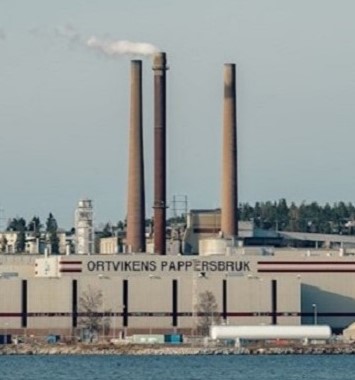
World's first textile-to-textile recycling plant
World's first textile-to-textile recycling plant
What: Swedish recycling company, Renewcell, has opened the world's first 100% textile to textile recycling plant in Sundsvall, Sweden.
Why it is important: This opening marks a significant milestone in the history of textiles around the world. Renewcell is now ready to meet the abundant demands for Circulose from fibre manufacturers to fashion brands.
The company is well known for its upcycling of cellulosic textile waste, like cotton clothes, and recycling it into a new material called Circulose.
Their goal in the coming months is to gradually ramp-up capacity and product quality. Once the full process line is operational in September 2022, the capacity for the first half of the year is estimated at 60,000 metric tons and to be doubled in 2023/24.
The work for the plant started on July 1st, 2021 and expects to be fully operational in September 2022.

How digital natives are approaching physical Web3 experiences
How digital natives are approaching physical Web3 experiences
What: Vogue Business provides examples of different approaches to web3 phygital spaces by digital native brands.
Why it is important: Mixing physical and digital products and experiences together helps engage and attract consumers by bringing retail closer to a true metaverse.
One example of this blending can be seen in the London event created by Cult & Rain, which sells 3D products as NFTs connected to physical luxury goods. Within the space, VR headsets were available for guests to double their presence through avatars and visit with guests attending virtually from California. As well, luxury sneaker prototypes were available to try on via augmented reality and wristbands with QR codes that granted POAPs (proof of attendance protocols, which act as commemorative digital badges). Huge format LED screens also helped with the immersion of visitors in the physical space.
A different approach to bridging digital and physical experiences can be seen through Superplastic's recent opening of its first physical retail space in New York. The digital native brand creates "synthetic celebrities" having successfully collaborated with brands like Gucci. In the retail space, toys, collectables, NFTs, and token-gated experiences are available to shoppers. The company has goals to bring its ethos across different industries with plans for fashion week appearances, a hip-hop band and a streaming film series in which the brand's virtual characters will appear.
Both companies cite the importance of experiential spaces and customer rewards as paramount to building loyalty. Offering enticing rewards and access to special products in token-gated spaces can appeal to existing and prospective consumers.
How digital natives are approaching physical Web3 experiences
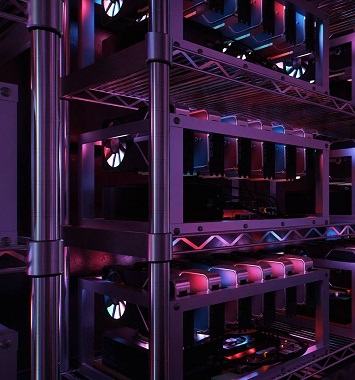
Understanding the Ethereum 'merge': how it will affect fashion
Understanding the Ethereum 'merge': how it will affect fashion
What: Currently scheduled to start around mid-September, the merge will see the Ethereum blockchain transitioned from its existing proof-of-work mechanism to a more efficient proof-of-stake system, ultimately reducing the amount of energy used per transaction.
Why it is important: Brands that have released Ethereum-based NFTs will be able to claim that they are now using an energy-efficient infrastructure, should the merge be successful.
The merge is also intended to maintain Ethereum's dominance as the preferred blockchain for NFTs. Some fashion companies have used other blockchains which already use the proof-of-stake system, however, Ethereum's appeal remains in its widespread adoption and higher selling prices.
The merge is expected to reduce the use of the Ethereum blockchain by 99%. The current method has been said to use more electricity annually than Romania, with its annual carbon emissions just below Tunisia's.
Instead of computers racing to solve complex equations per transaction, the new system will dispense with this competition and instead involve investors staking their ETH in a pool, entering them into a lottery that will select one to validate the transaction and claim the reward.
The merge also aims to make Ethereum more scalable and lay the groundwork for making faster updates.
Understanding the Ethereum 'merge': how it will affect fashion
